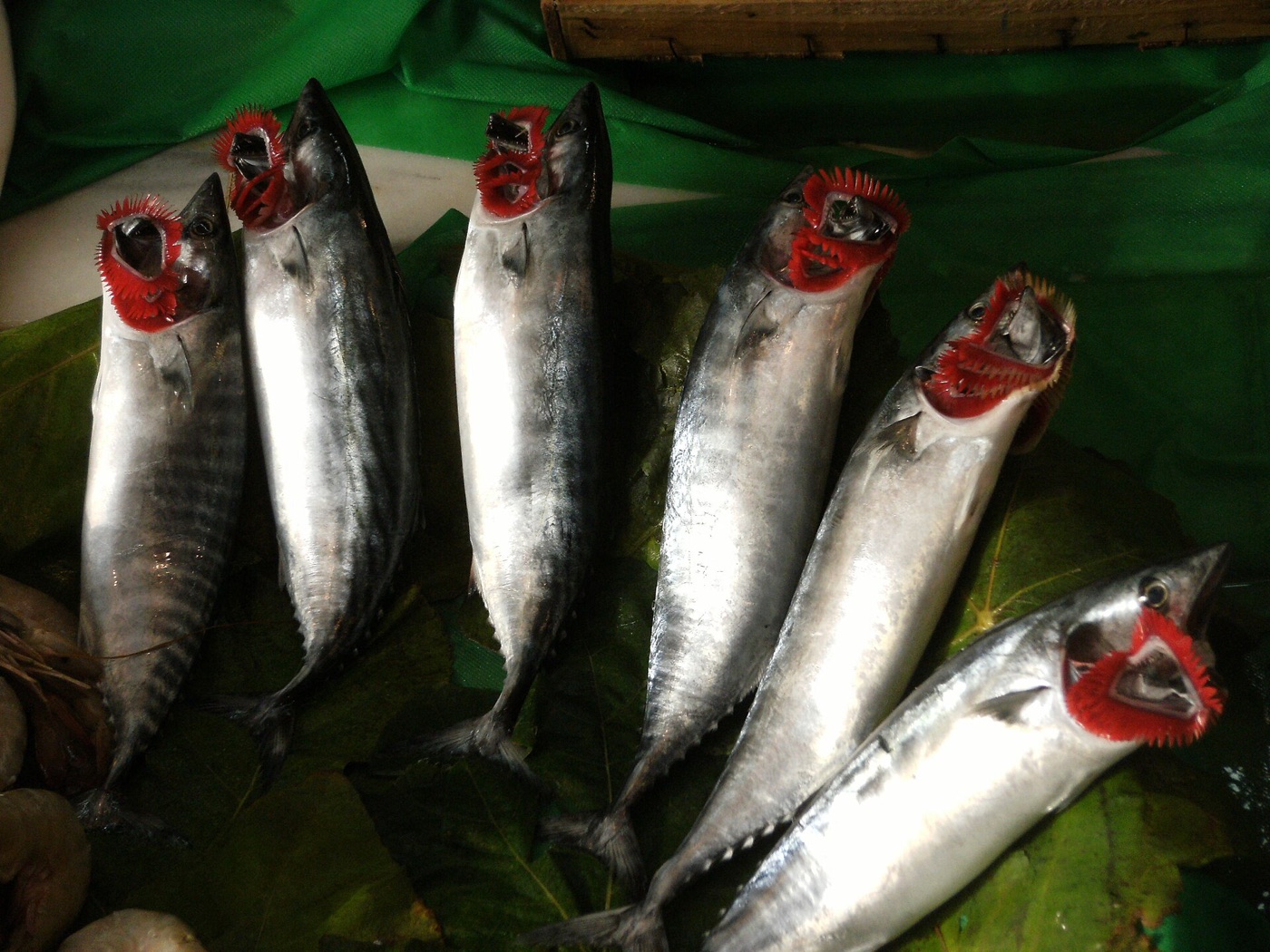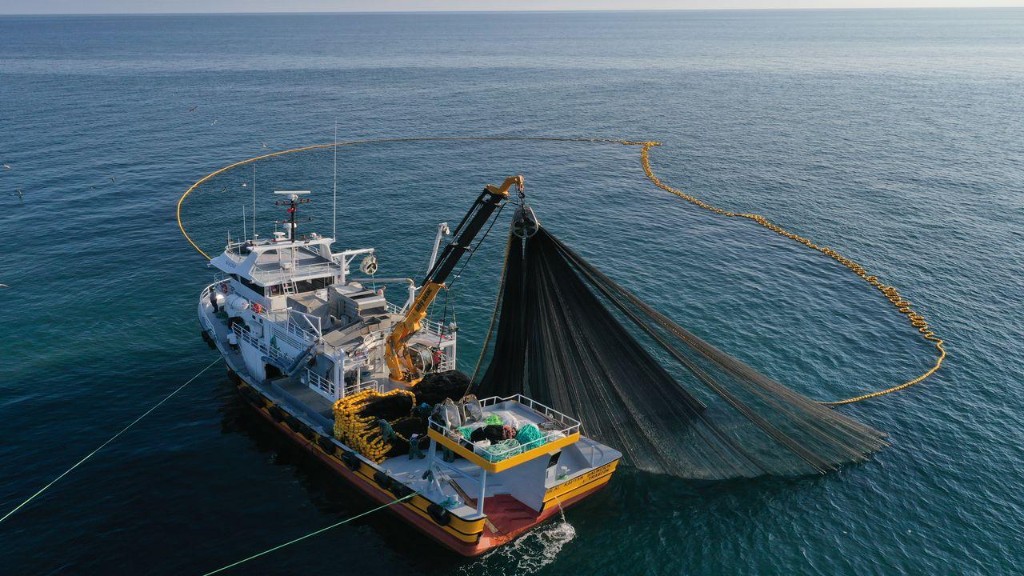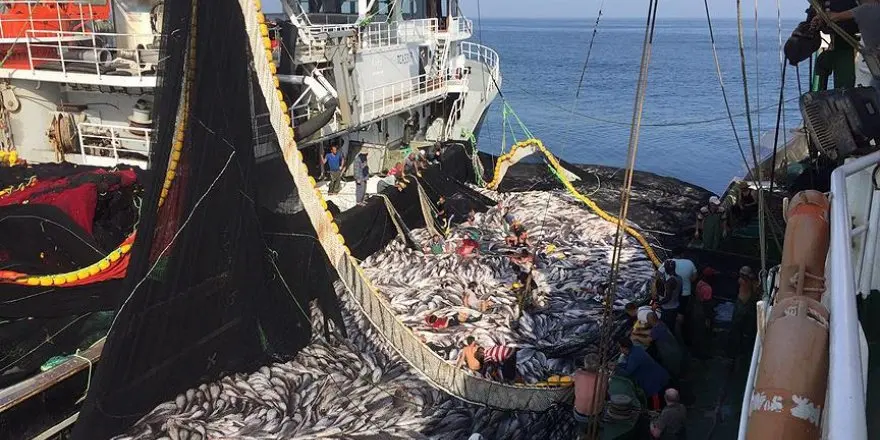
Turkey’s large fishing vessels no longer fish only in the Aegean, the Mediterranean and the Black Sea. They now work off the west coast of Africa too. One of the new routes that has stood out recently is Sierra Leone.
So why are Turkish fishermen going to Africa?
1. Why are Turkish fishing vessels in African waters?
There are three main reasons.
First, fish stocks in Turkey’s own seas have declined. The Turkish fishing fleet is large, but the area it can fish is not growing at the same pace.
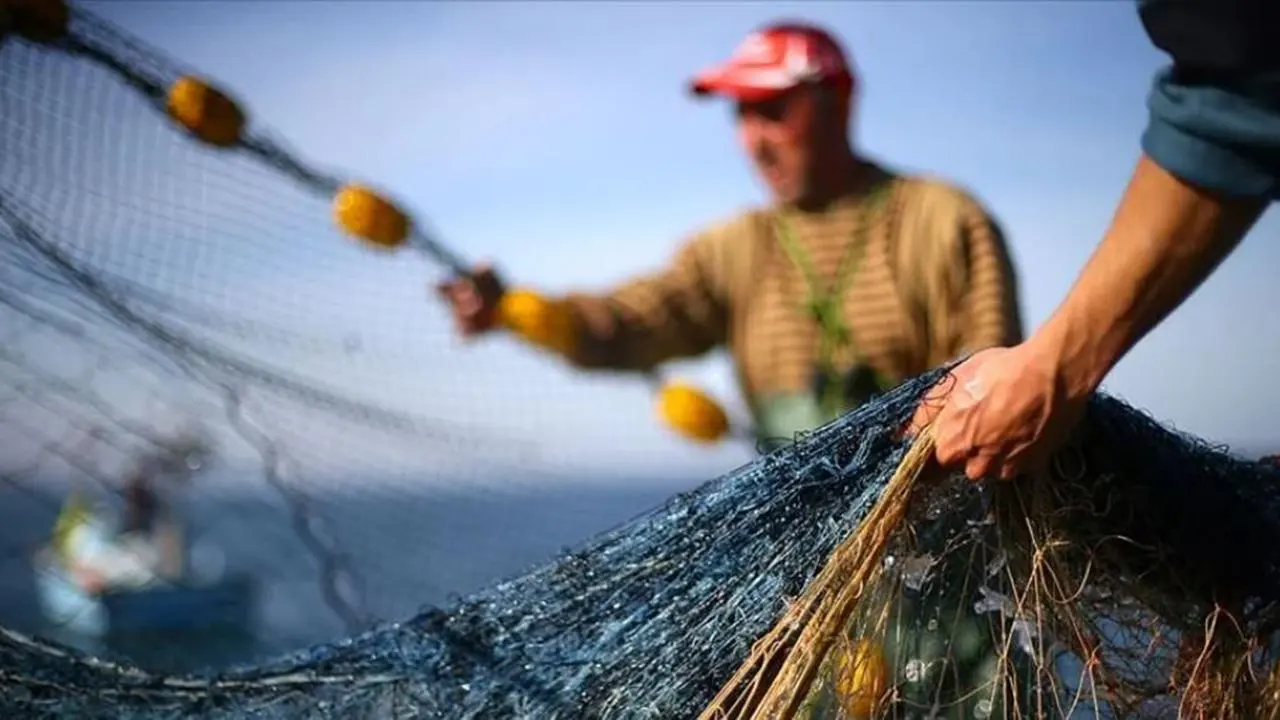
Second, the closed season. In Turkey, large vessels cannot set their nets from spring until September. During those months the boat sits in port and the crew is idle. A vessel that goes to Africa keeps working.
Third, agreements between governments. In recent years Turkey’s Ministry of Agriculture and Forestry has signed fisheries agreements with many countries. As of July 2025, Turkish fishermen can fish off the coasts of 17 countries.
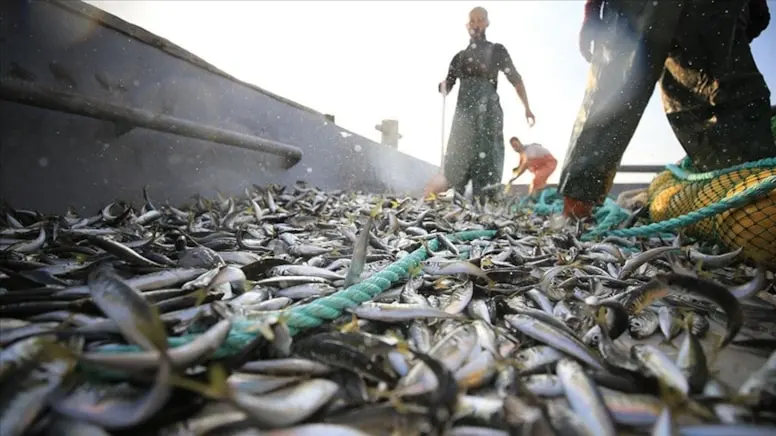
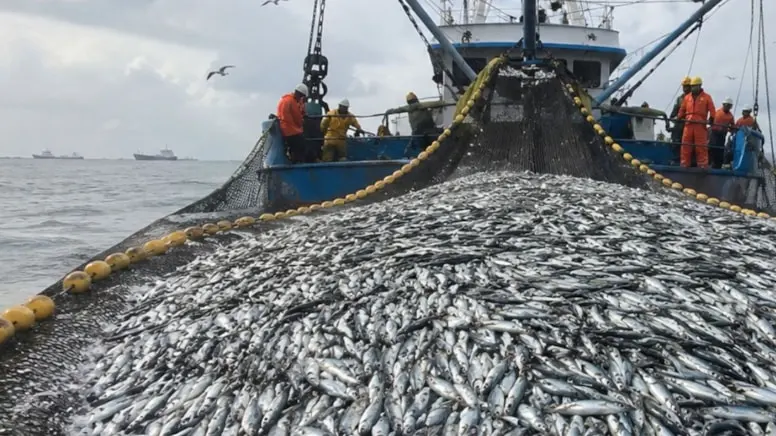
This story began in Mauritania. Today Turkish fishing vessels work off Mauritania, Guinea, Morocco, Angola, Senegal and Sierra Leone. According to press reports, there are more than 50 Turkish fishing vessels and more than 1,500 crew in international waters.
2. Why Sierra Leone?
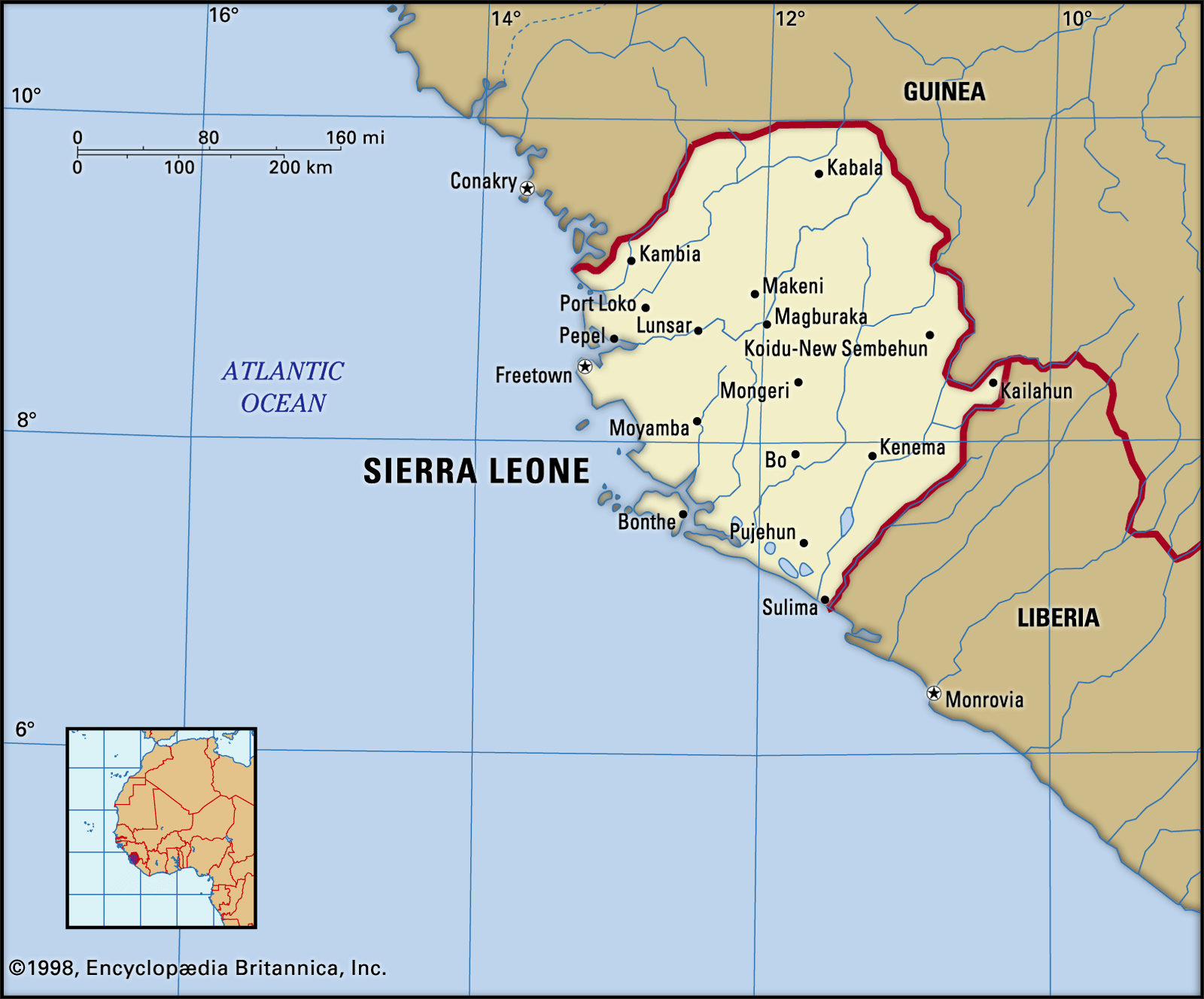
Sierra Leone has a coastline of more than 570 kilometres in West Africa and significant potential in marine resources.
For a foreign fishing vessel to fish in these waters, it has to be registered and licensed. Licensed vessels are tracked by satellite. The area close to shore is reserved for local fishermen.
In April 2026, the foundation of the country’s first industrial fishing port was also laid. The port, being built south of the capital Freetown, will include fish processing, ice production, refuelling and vessel maintenance facilities. It is designed to handle 20,000 tonnes of fish a year.
3. Local fishermen share the same sea
The region is not only home to large industrial vessels. Along the coast of Sierra Leone there are many local fishermen working with small wooden boats and traditional methods.
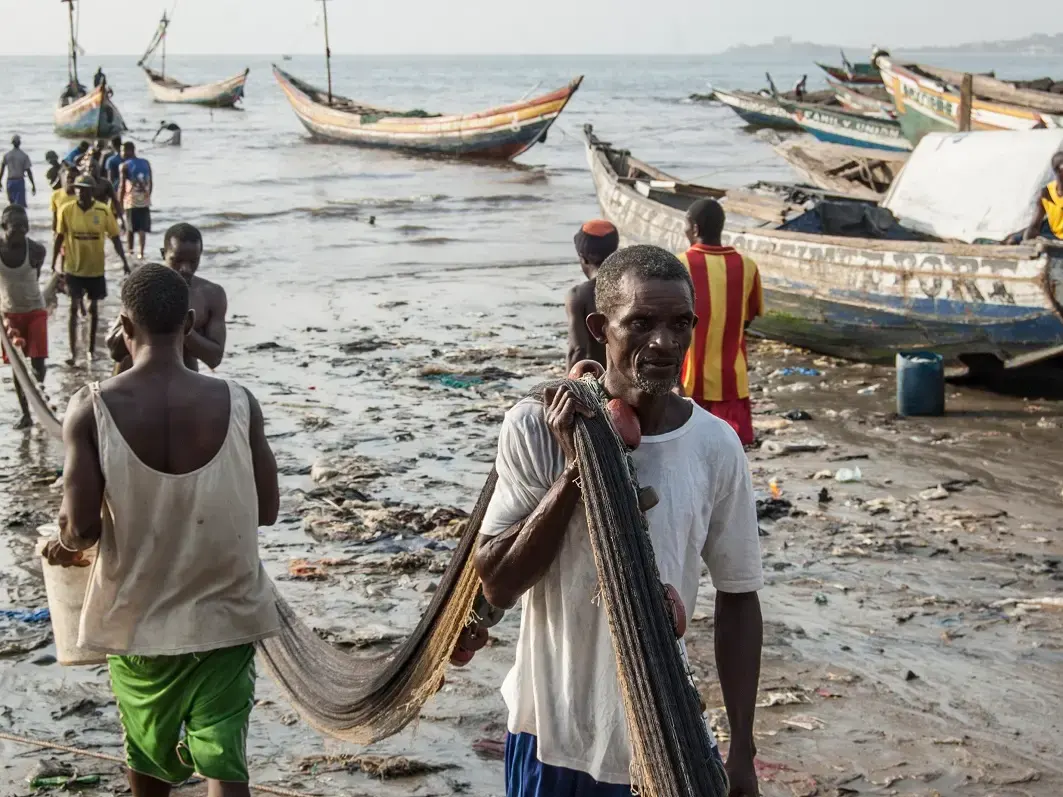
These fishermen are vital for the country. Around 80 percent of the population’s animal protein comes from fish, and around 65 percent of the country’s fish production comes from these small boats.
4. A new route for Turkish fishing
The route from Turkey to Sierra Leone is not just a fishing story. It is a new maritime story in which large fishing vessels and local fishing meet in the same waters.
At Mavi Rota Marine, we are following the new routes of Turkish fishing vessels in Africa.