A new fishing season has arrived. Engine noise in the harbour, the smell of nets, the usual rush… But this time the talk is not “how many crates?” It is “how will this business keep going?”
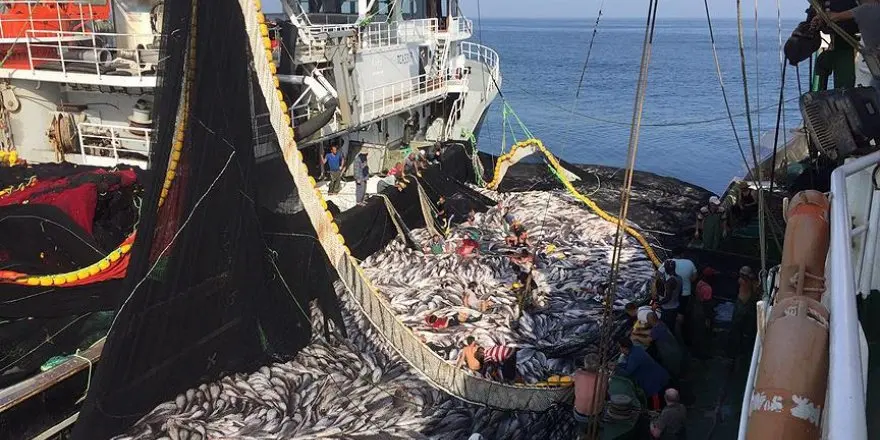
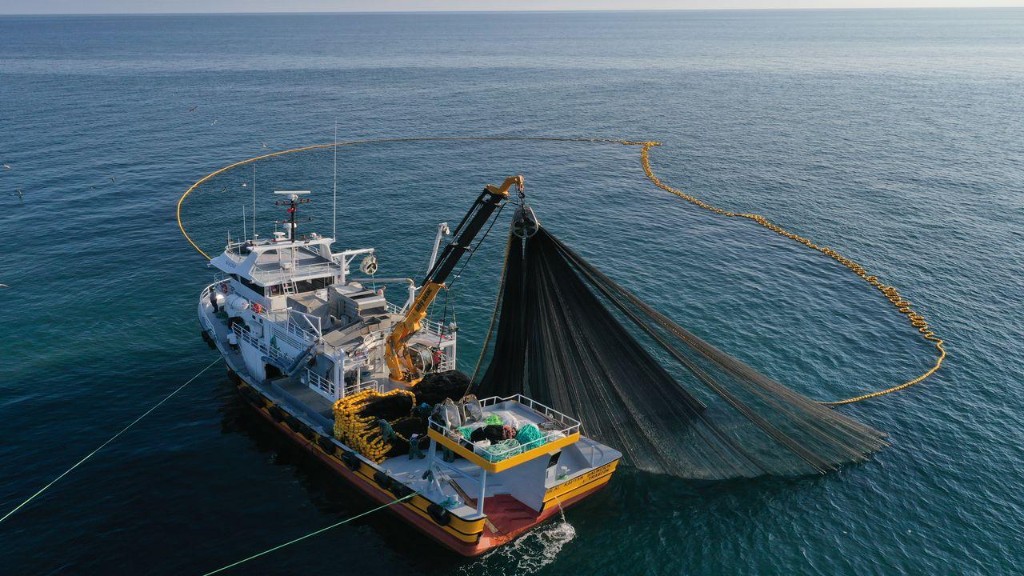
The picture from the docks is clear: fisherman diesel costs and other expenses have swollen so much that especially large-scale purse-seine fishing boats can lose money the more they work. This is not about laziness; the maths does not close.
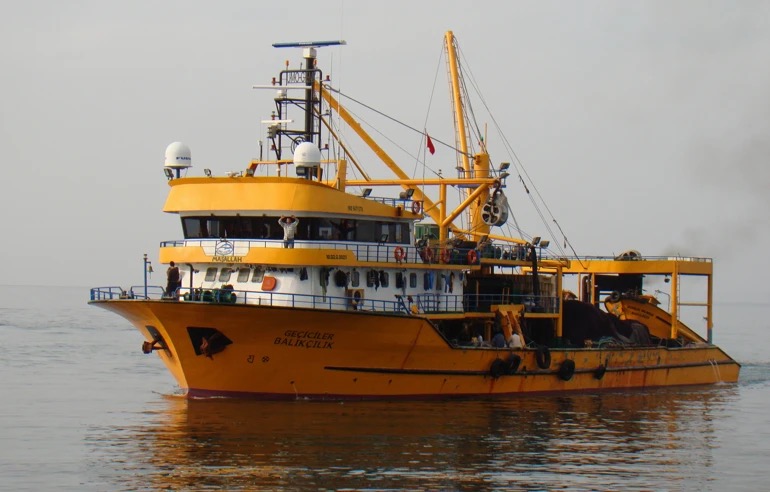
Fisherman diesel cost: 2.5 tons of fuel a day
A purse seiner is said to burn about 2.5 tons of diesel a day on average. Fuel alone can reach the 200–250 thousand TL band. From the first nights of the season the tank fills up and the wallet empties.
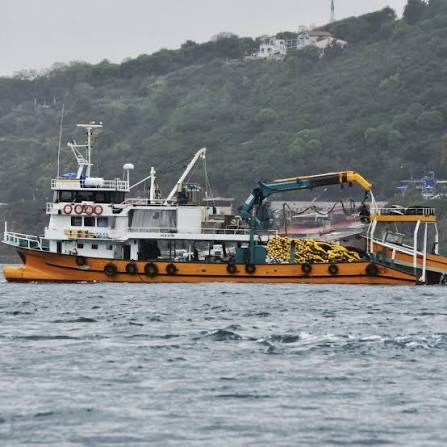
And the cost does not stop at fuel. The moment the boat leaves harbour, every line item follows:
- Crew costs: from 50,000 TL up to 100,000 TL
- Foam fish crates: 55 TL each
- Nets and fishing gear
- Transport
- Provisions and other operating costs
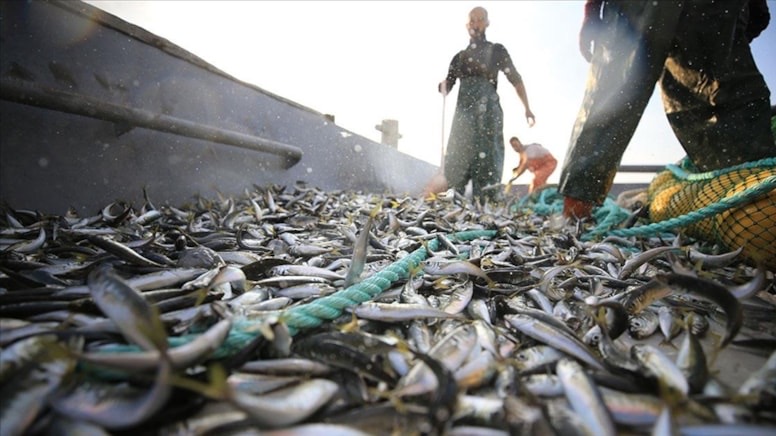
Small-looking items add up. Especially the foam crate at 55 TL — written on every box, treated as “minor”, yet serious over a full season.
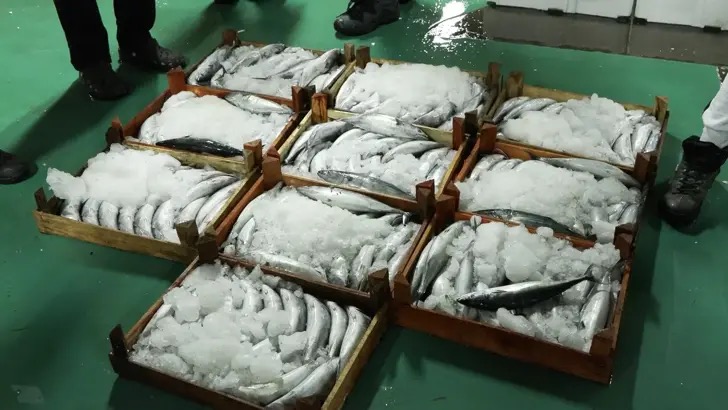
Fish crate price 750–1,200 TL: why the maths fails
Figures from the field put the fish crate price between 750 and 1,200 TL. On one side 200–250 thousand TL in fuel, crew, materials and crates; on the other, that band. The maths is harsh: even with a good catch margins shrink; with a weak catch, losses walk in the door.
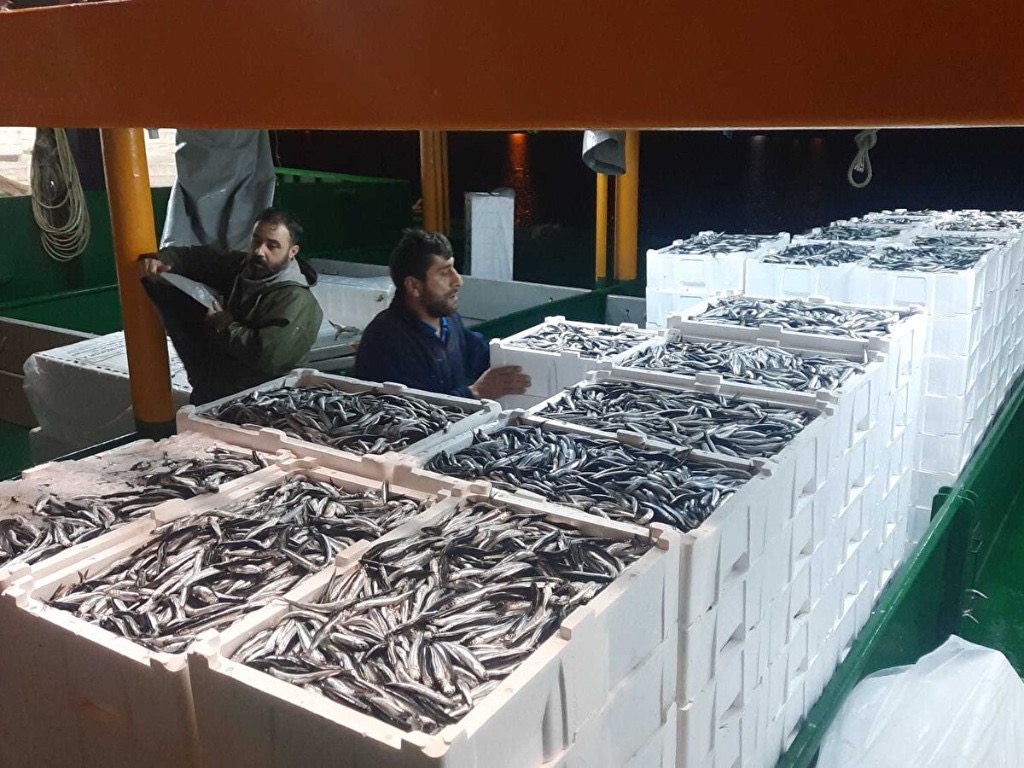
So the question is simple but heavy: Facing costs this high, how is a fisherman supposed to stay afloat?
Fish price at the stall is one thing; at the boat, another
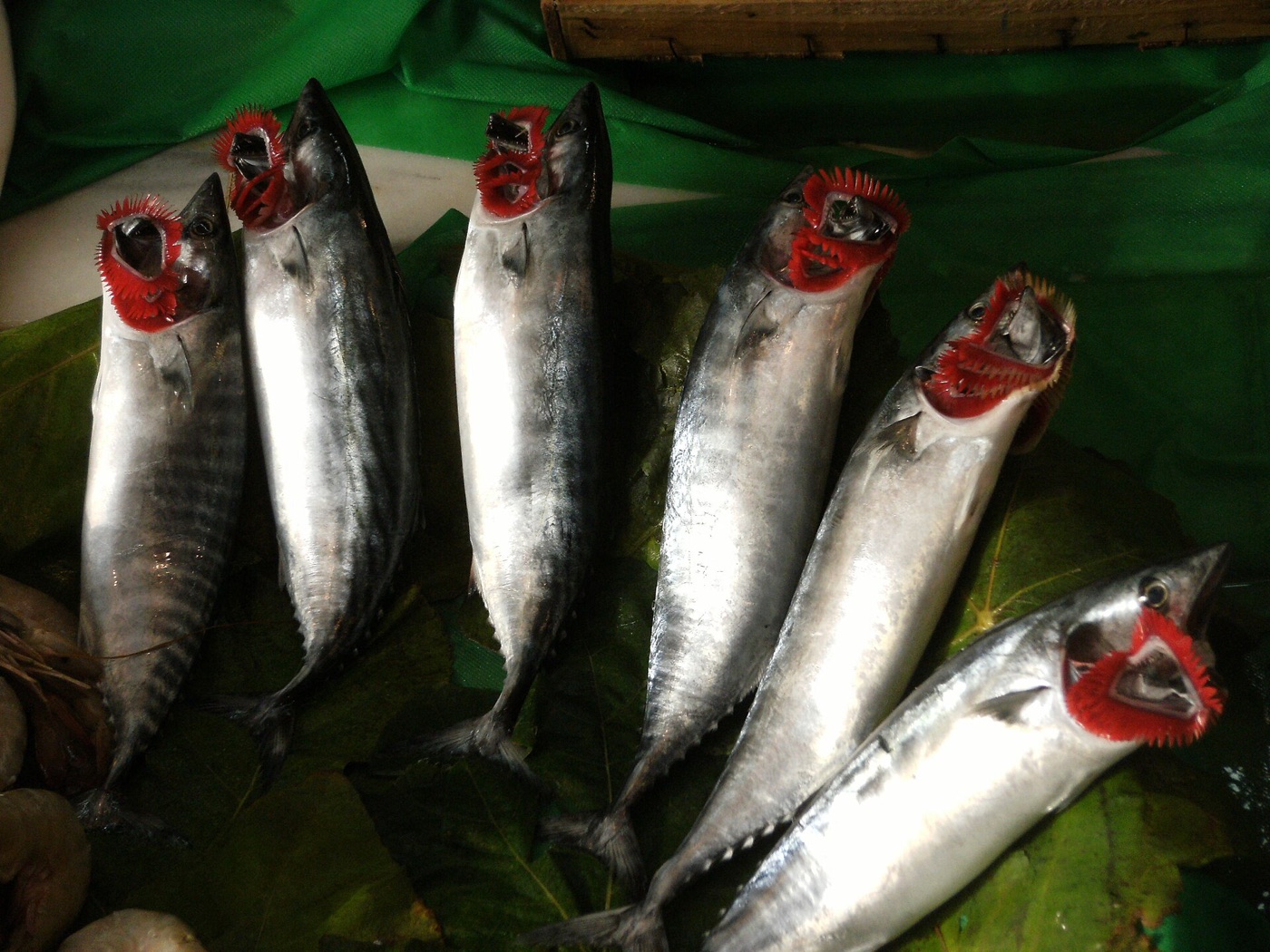
Another side of the debate is the path fish takes from producer to consumer. Fishermen say serious gaps can open between the price when it leaves them and the price on the stall. The longer the middleman chain, the wider the scissors between what the fisherman receives and what the buyer pays.
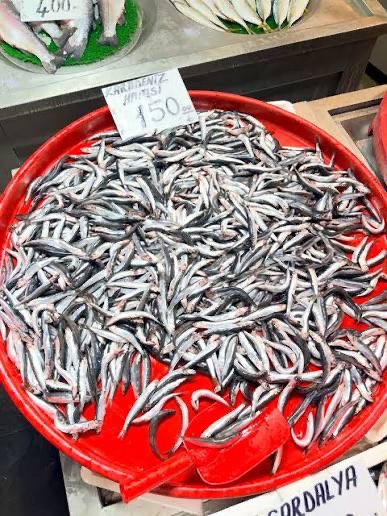
So it is not only “how much is the fish?” The real question: how much reaches the fisherman, and how much does the consumer pay?
What should the solution be?
Options discussed on the docks do not rule each other out:
- More support for fishermen, better targeted
- Steps that ease the pressure of diesel costs
- Shortening the middleman chain
- Rebuilding how fish is sold
Can a system work for both fisherman and consumer? It should — but without putting the numbers (diesel, crew, foam crate 55 TL, crate price) on the table, saying “good luck this season” is not enough.
What do you think? Support, diesel relief, a shorter chain, or redesigning sales from scratch?