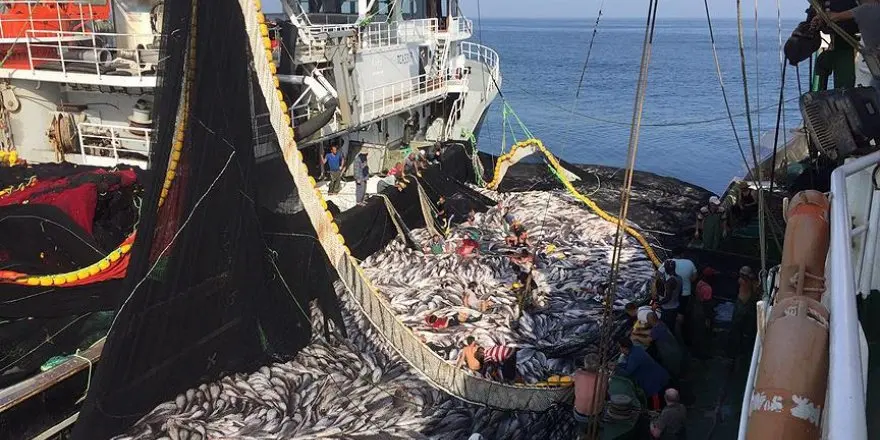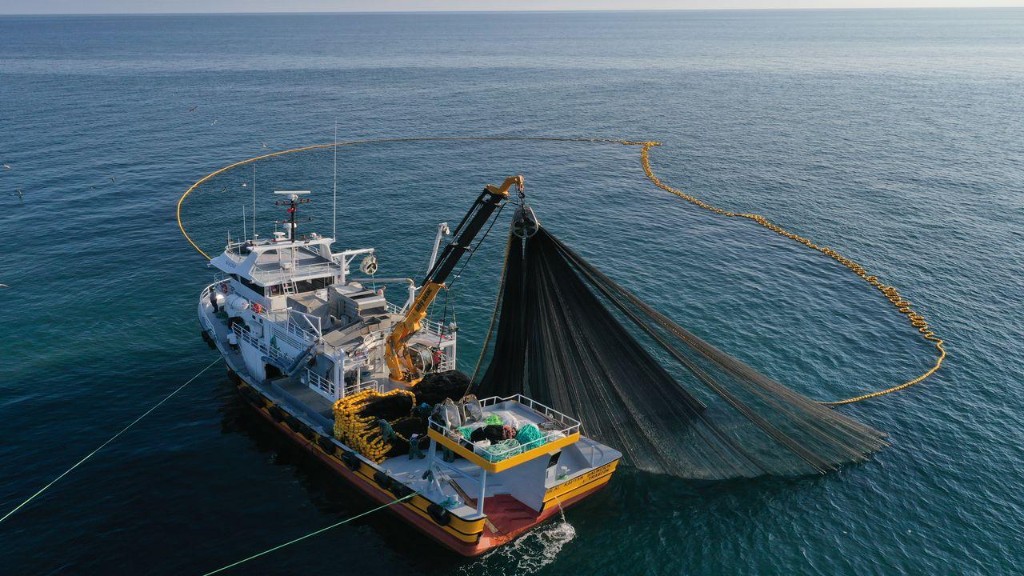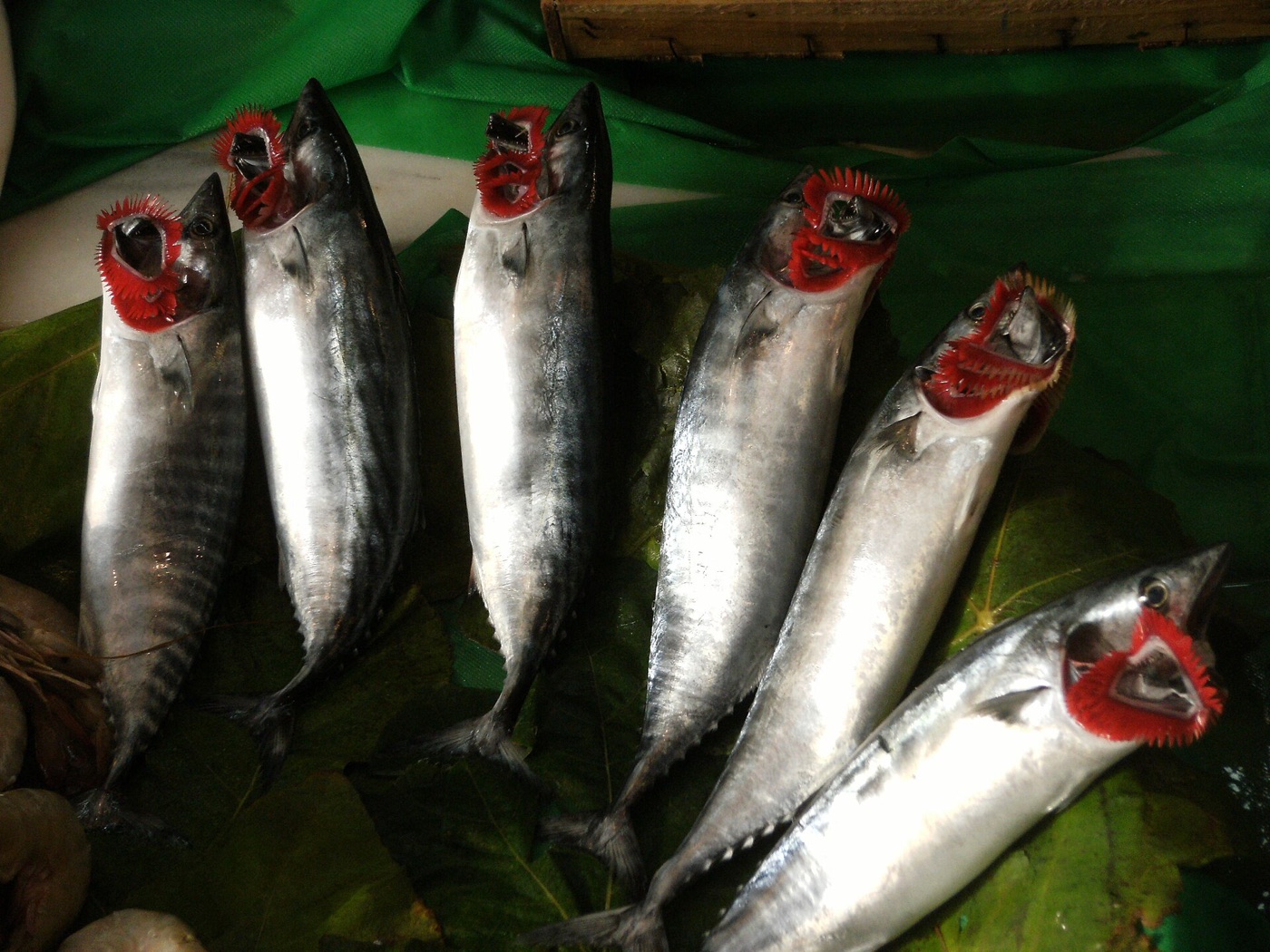
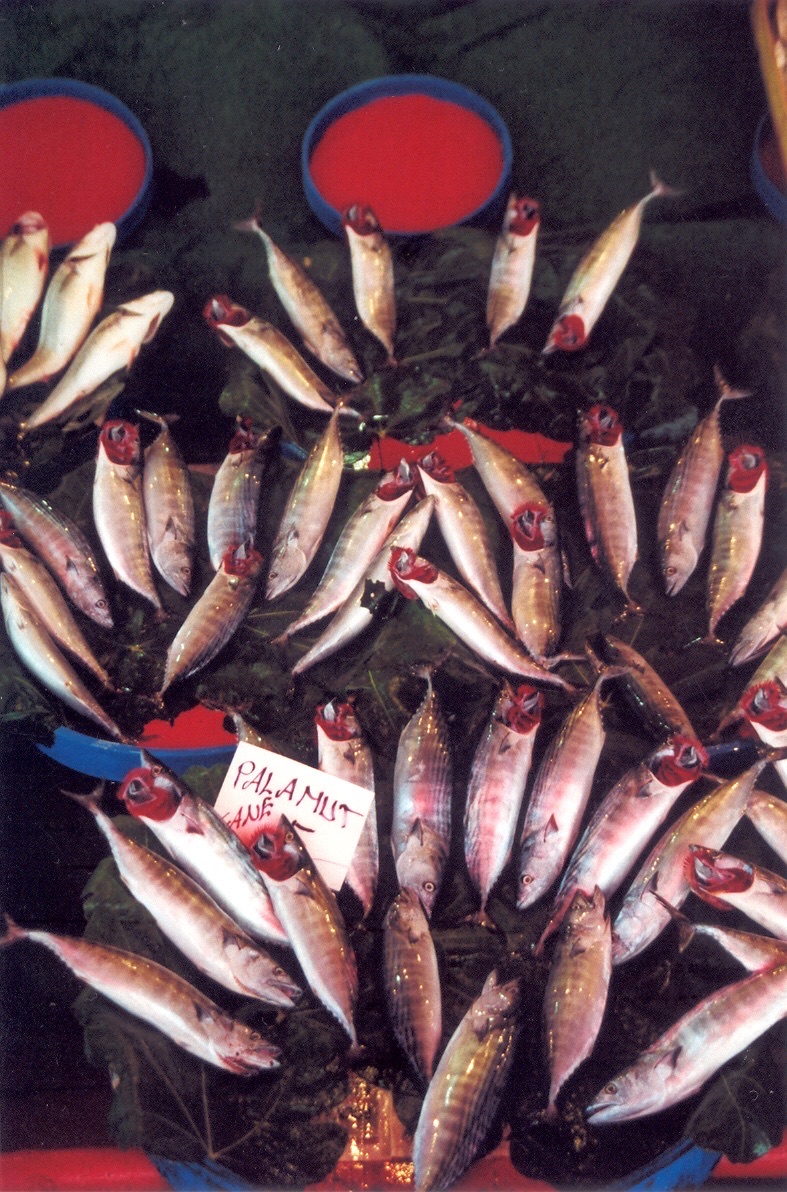
There is bonito in the sea this season, and plenty of it. Boats are coming back to port with crate after crate, and the stalls are full. On the fishermen’s side, though, the picture is less cheerful. With so much bonito reaching the market in a short time, prices fell and it became harder to get a fair return for the work. That is why the Istanbul Provincial Union of Seafood Fishers and Producers (İSTANBUL DEMBİR) has called for a temporary pause in bonito fishing until 12 October.
Bonito is abundant at sea
The 2026-2027 fishing season, which opened when the fishing ban ended on 1 September, got off to a very rich start for bonito. DEMBİR’s statement describes it as “a bonito abundance unlike anything seen in recent years”.
Boats returning to port with large catches directly increase the amount of fish going to the wholesale market and the stalls. For consumers this often means lower prices. For fishermen, the same abundance can mean earning less per kilo while fuel, crew, net and boat costs stay exactly where they were.
The figures from Gürpınar Fish Market stand out
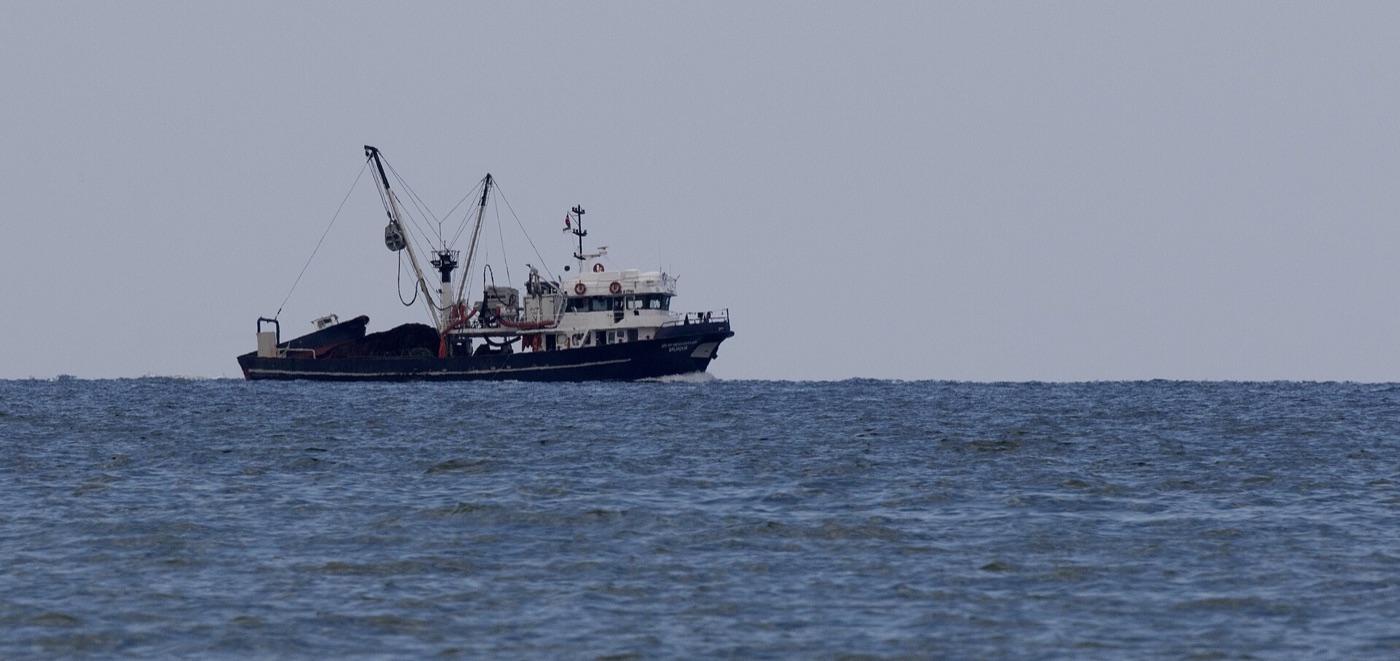
The scale of the abundance is clear in data shared by Istanbul Metropolitan Municipality (İBB). At the Gürpınar Seafood Market, run by the İBB affiliate İSYÖN, around 903,952 kilograms of bonito were traded between 1 and 7 September.
In the same period last year the figure was around 9,000 kilograms. In other words, the bonito arriving at the market in the first week of the season was roughly 100 times last year’s level. Over the same week, the total volume of seafood at the market doubled compared with the previous year to more than 1.85 million kilograms, and bonito made up about 48 percent of it.
The abundance pushed prices down
When this much fish reaches the market in a short time, pressure on prices is inevitable. Demand does not grow at the same pace, so the extra supply pushes prices down.
The cycle described in DEMBİR’s statement is exactly this. When prices fall, fishermen fish more to make up for their losses; the extra catch comes back to the market as more fish, and prices fall again. More fishing, more supply, lower prices. The union says this is dragging the sector into an economically unsustainable vicious circle.
Lower prices can be good for consumers’ wallets, but a boat’s costs do not change. Not making ends meet while the sea is full of fish is a problem of its own for fishermen.
Fishermen call for a temporary pause in bonito fishing
İSTANBUL DEMBİR has called for a temporary pause in bonito fishing. The call covers the period from 00:00 on the night of 8 to 9 October until 08:00 on Monday, 12 October 2026.
The union’s statement reads:
“So that the abundance of our seas does not turn into economic loss, market balance is restored and our fishermen get a fair return for their hard work, we ask our entire sector to comply with our request for a temporary pause in bonito fishing from 00:00 tonight until 08:00 on Monday, 12 October 2026.”
It is worth stressing: this is not a fishing ban announced by the authorities. It is a temporary pause of a few days that the union is asking the sector to observe.
The aim is to give the market and fishermen some relief
The reasoning behind the call is simple. If less bonito reaches the market for a few days, prices may stop falling further, fishermen’s losses may shrink and the balance between supply and demand may start to recover. The union also says this temporary measure matters for reducing fishermen’s economic losses and rebalancing the market.
The last sentence of the statement sums up the intent: “Our aim is not to stop fishing, but to protect the abundance of our seas and make sure our fishermen get a fair return for their labour.” So this is not a long-term fishing ban; it is a temporary pause called from within the sector, lasting until the morning of 12 October.
What does the bonito glut mean for consumers?
From the consumer’s side, plenty of bonito means more affordable prices at the stall, and that is one of the good things about this season. But a rich sea and a fisherman who makes a living are not the same thing. The boat’s costs, the crew’s labour and the expenses paid throughout the season stay the same whatever a kilo of fish sells for.
There is also the question of the prices fish passes through on its way from the boat to the table. The price a fisherman sells at and the price a consumer pays at the stall are not the same; the chain in between is part of this story too.
The real question: is the bonito abundance sustainable?
Abundance looks like good news at first glance, but if it is not managed well it can become a burden on both fishermen and the market. Catch volume, the fish reaching the market, prices and fishermen’s income cannot be considered separately; a sharp change in one affects the others.
How this short pause plays out in the market, how widely it is observed and how it is reflected in prices will become clear in the coming days.
There is plenty of bonito at sea, but that abundance has pushed prices down fast and put fishermen under economic strain. That is why İSTANBUL DEMBİR’s call for a pause until 12 October is not only about the amount of fish; it is also about the balance of supply and demand and what fishermen earn. We will keep following how this temporary pause affects bonito supply and prices.
With this much bonito at sea, do you think pausing fishing for a few days is the right call? Or should the abundance reach consumers as lower prices? Share your thoughts in the comments.
Sources
- İBB / İstanbul Senin — İstanbul’da Palamut Bereketi (21.09.2026, in Turkish)
- Haber Denizde — İSTANBUL DEMBİR statement on a temporary pause in bonito fishing (08.10.2026, in Turkish)
- Patronlar Dünyası — Denizlerdeki palamut bolluğu fiyatı düşürdü (08.10.2026, in Turkish)
Cover photo: Mark Ahsmann / Wikimedia Commons (CC BY-SA 3.0)