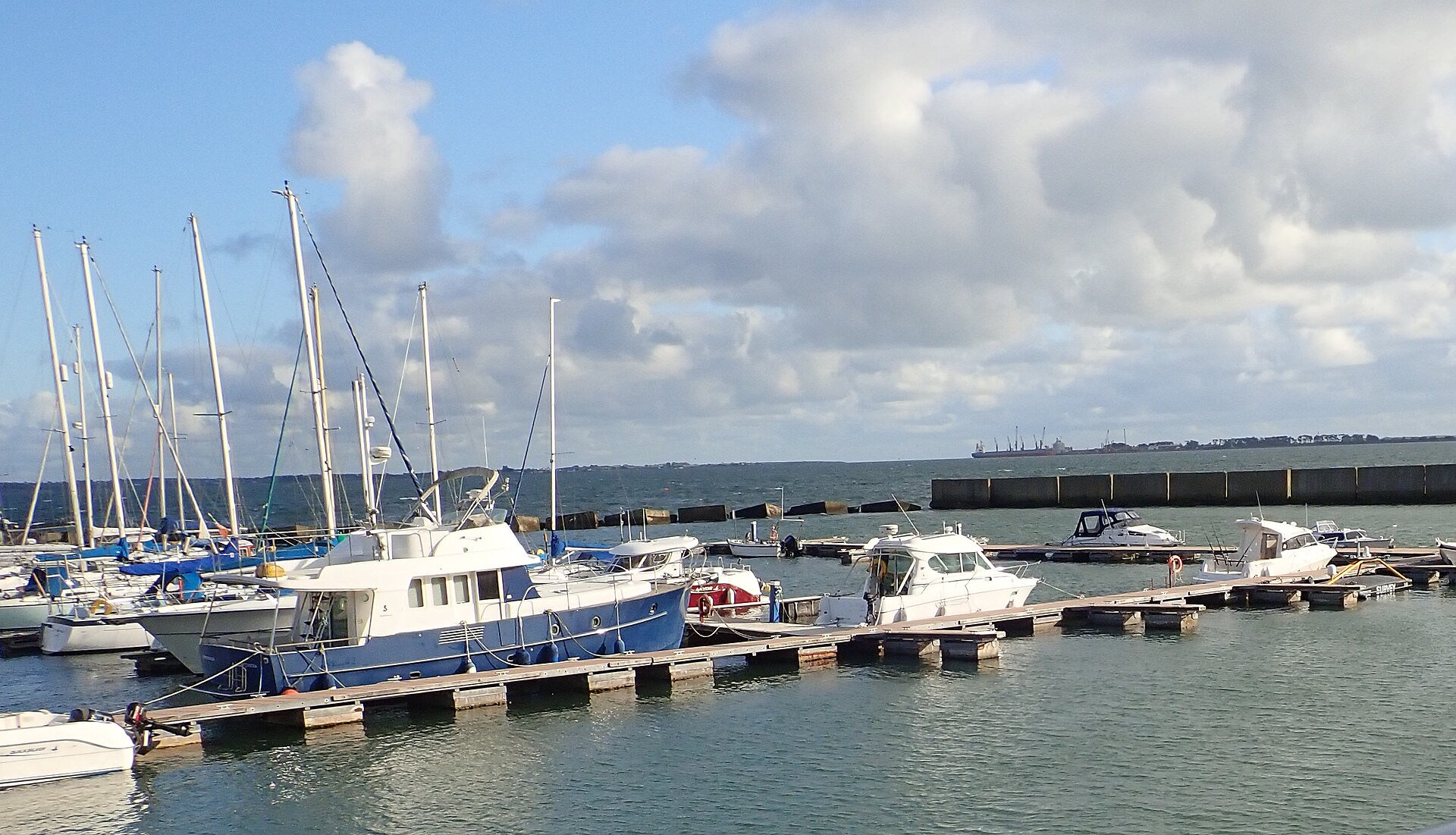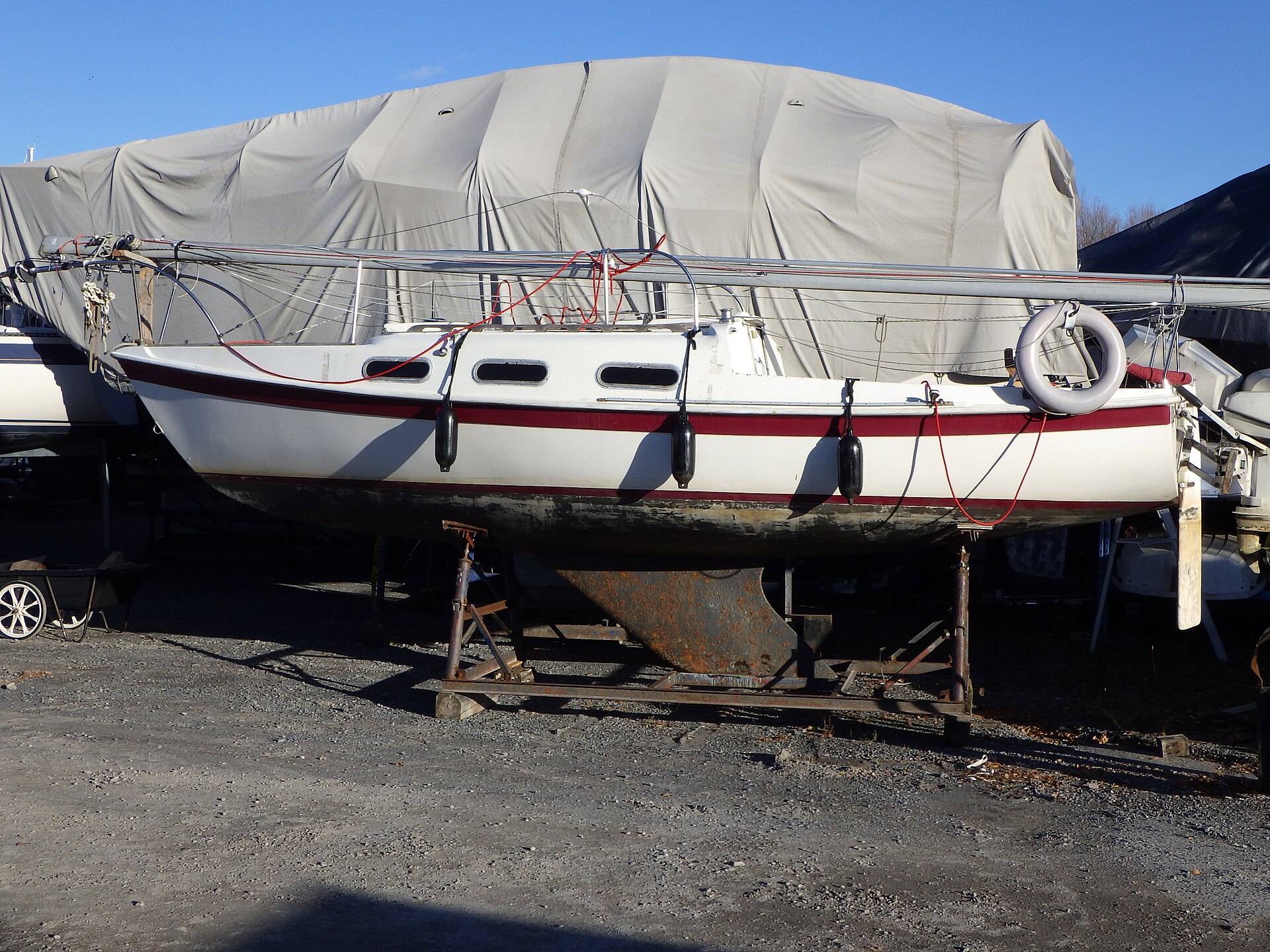
On a sailboat, the keel is the underwater structure that helps with both balance and holding a course. When the wind fills the sails, it reduces sideways slide to leeward; the weight in or on it also helps the boat stand back up.
Keel, keelson/spine and ballast get mixed up a lot. In short: the backbone is the main structural line of the hull, the keel is the underwater balance-and-direction piece of a sailboat, and ballast is the weight that pulls the centre of gravity down.
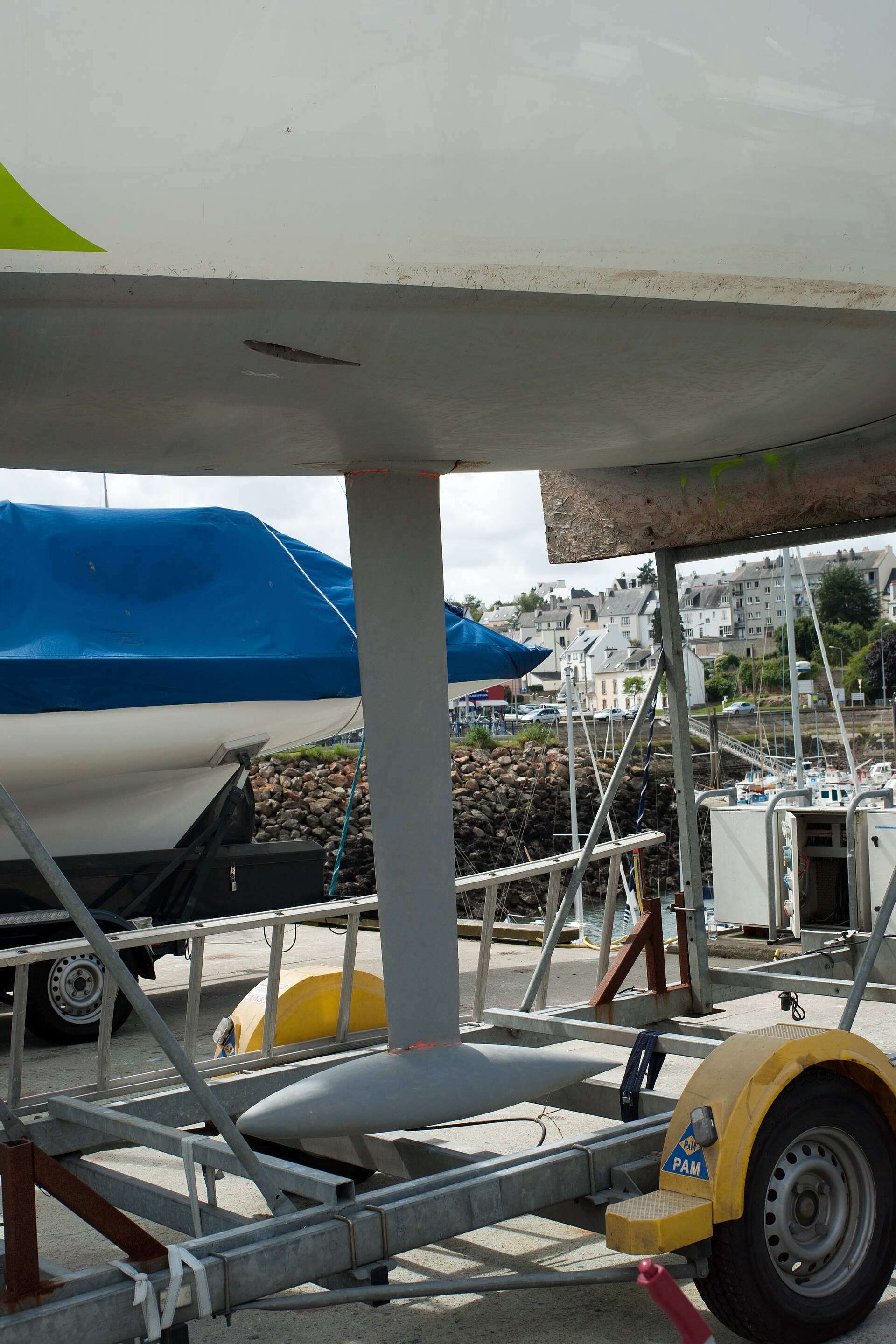
Why does the keel matter?
Without a keel, a sailboat struggles to make efficient progress to windward and slides sideways more. Shape, depth and weight of the keel directly affect performance, stability and how the boat feels underway.
Most common problems
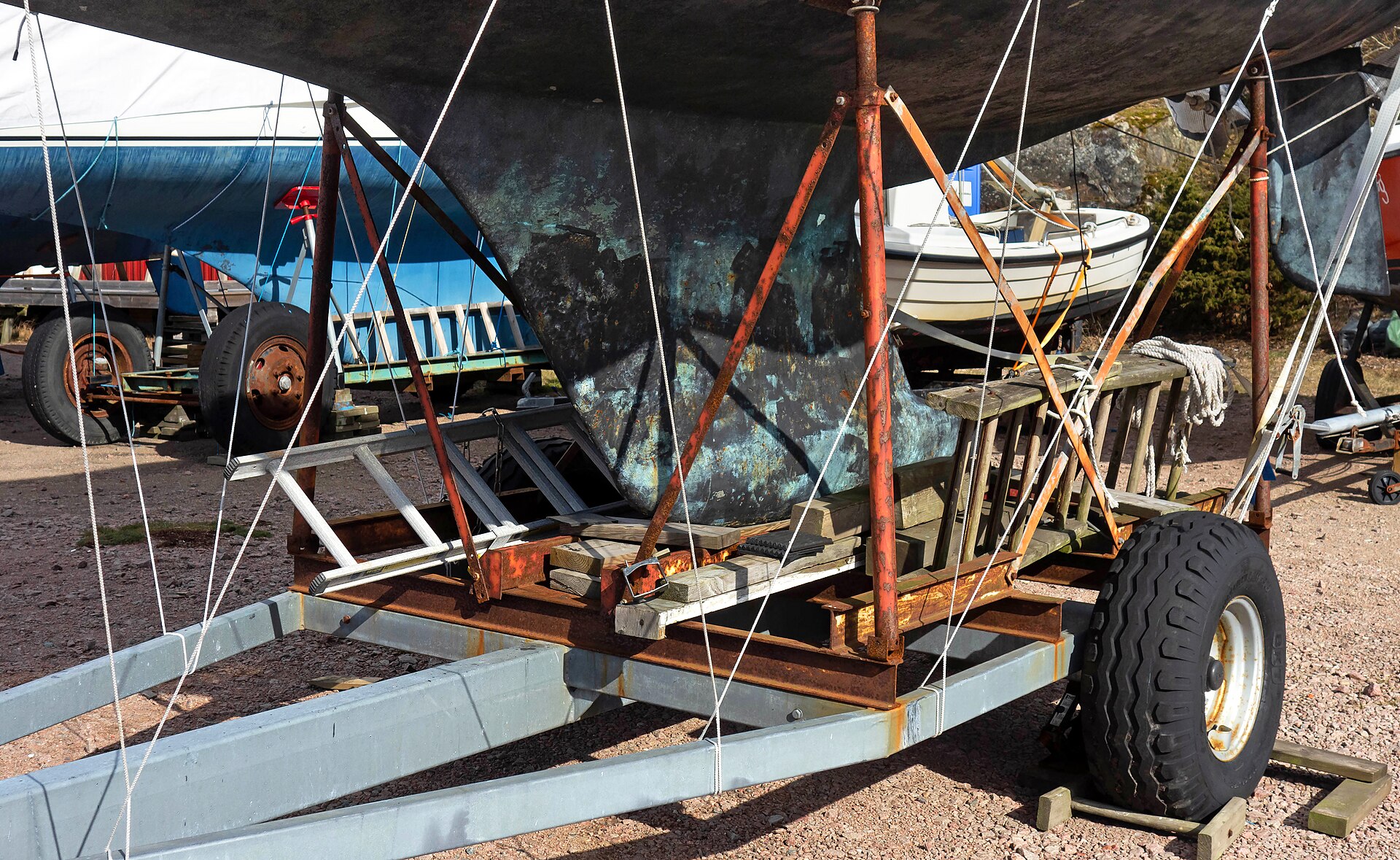
Keel trouble usually shows up after grounding, hitting rock or a hard knock. Crack, paint lift, rust staining or a leak at the joint between keel and hull means it needs a look.
Fine cracks people call a “keel smile” are also worth watching. Not every line is a major structural failure — but when the boat is hauled, they should be assessed.
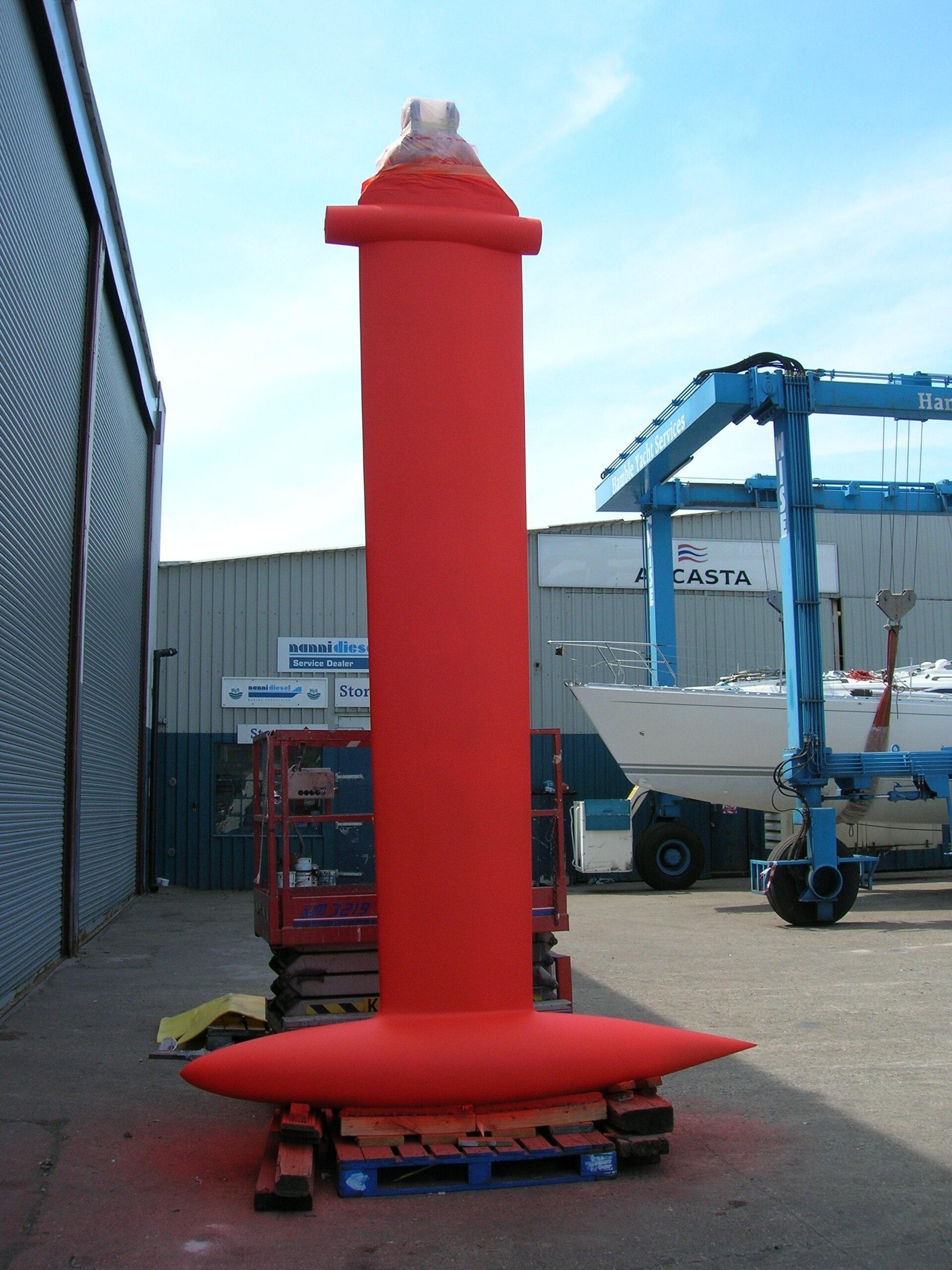
What to check on the hard
- Impact, crack or deep scrape on the keel?
- Opening or paint crack at the keel–hull joint?
- Rust or damp around keel bolts in the bilge?
- Blistering or shape change under antifouling?
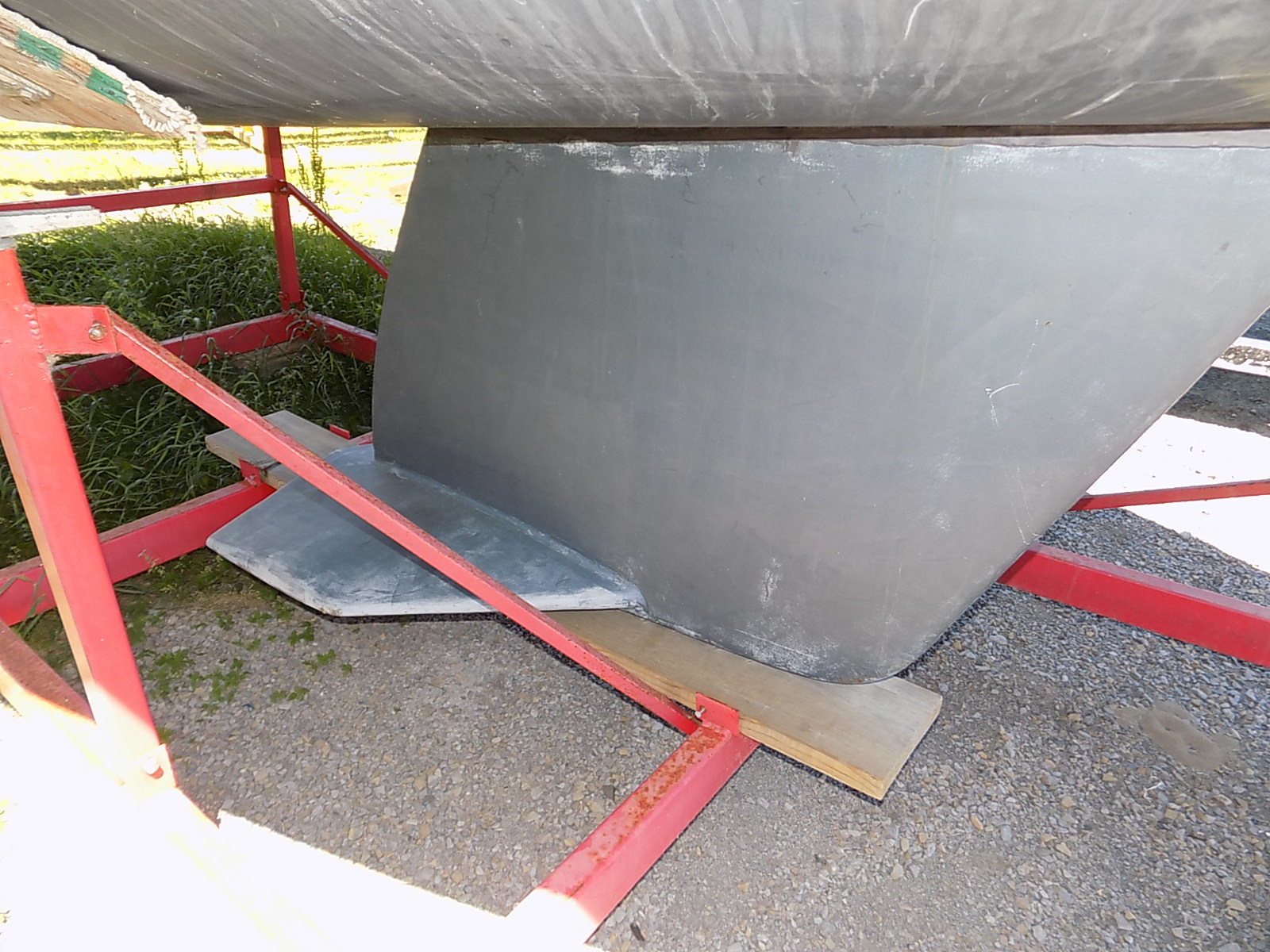
The keel is easy to forget because it sits out of sight. Yet it sits right in the boat’s balance and safety. If something looks off, don’t guess — show a yard or a surveyor.