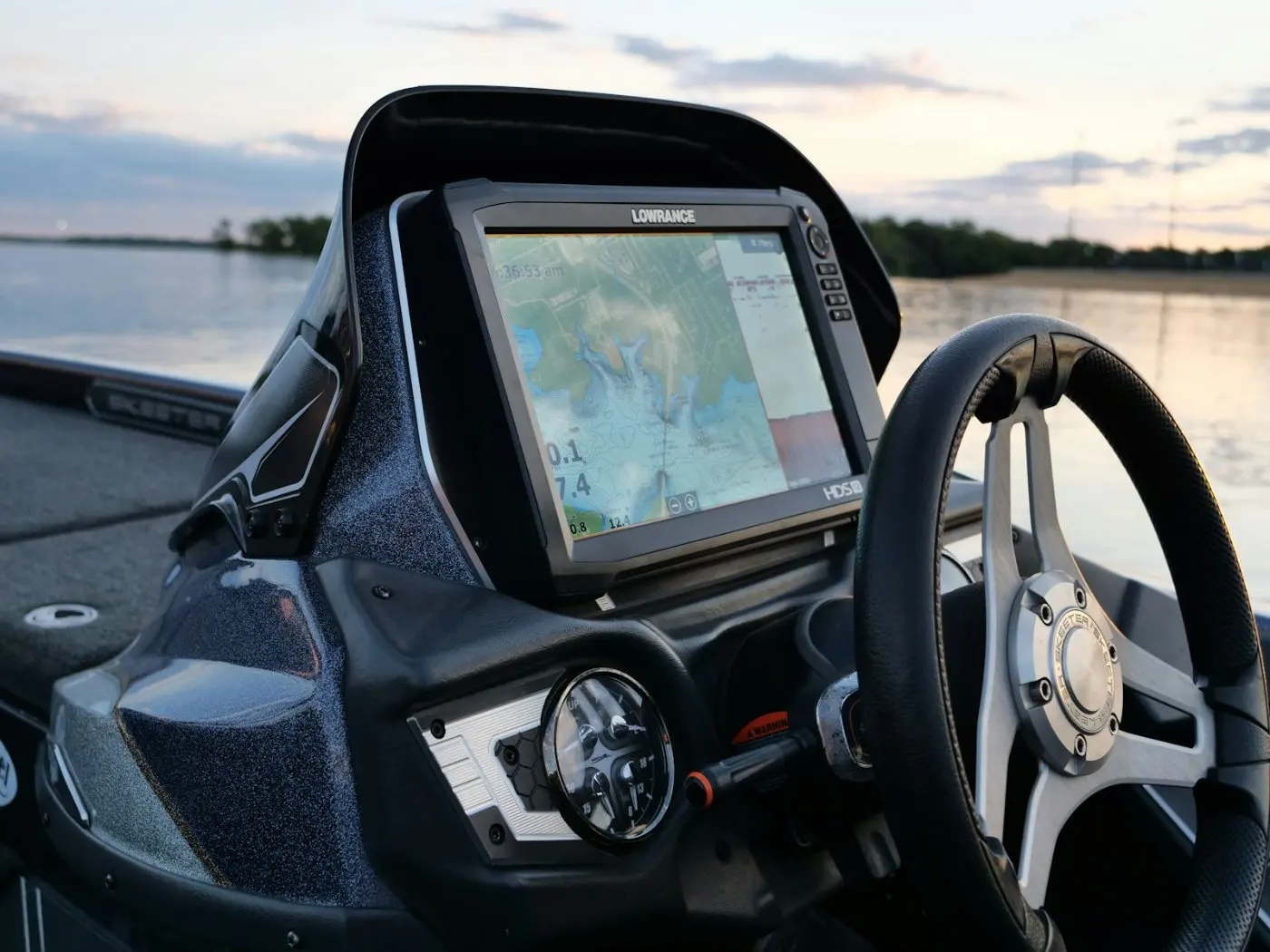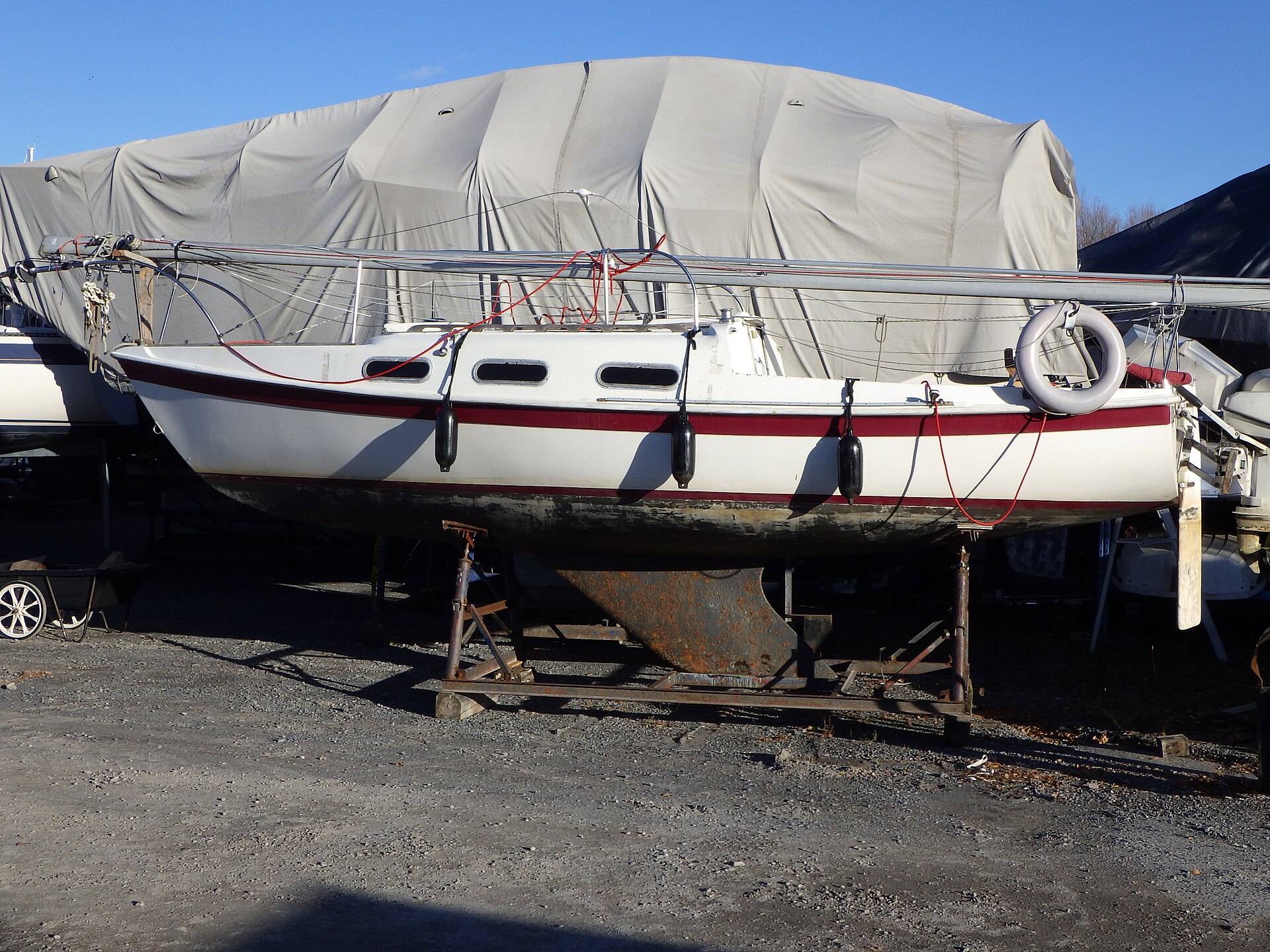
Tying the boat up and pulling a cover over it is not enough when summer ends. A small detail neglected through winter can show up as a dead engine, a flat battery or a damp, musty cabin in spring.
The good news: if you winterize in the right order, the boat stays protected and you avoid scrambling for a mechanic when the season opens. Here are six critical checks for a smooth spring launch.
1. Will the boat stay on land or in the water?
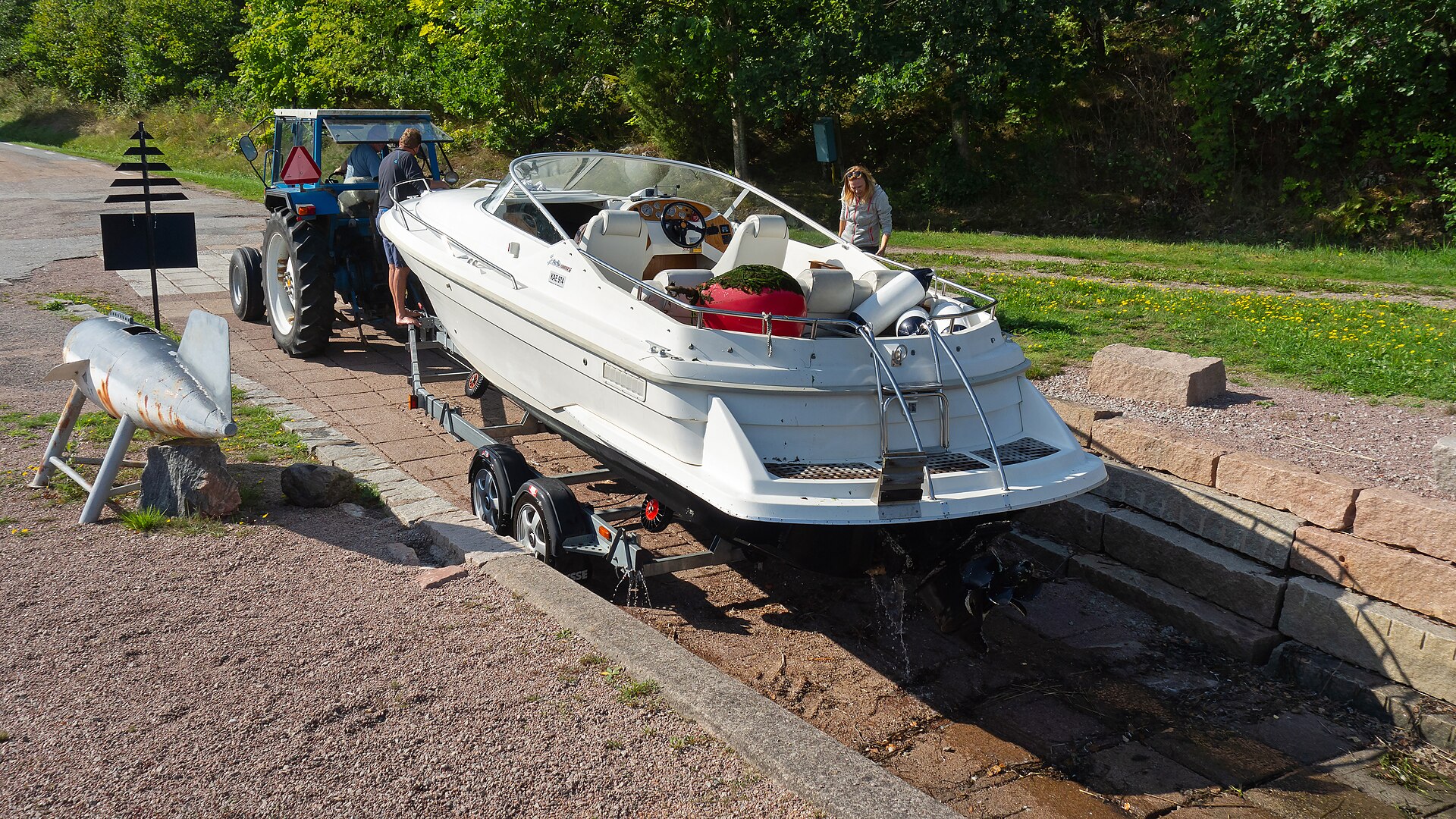
That is the first call. Ashore, you get a clear shot at the hull, prop, shaft, rudder and antifouling. In the water, lines, fenders, bilge and the risk of taking on water need closer watching.
Weigh the region, how much you will use the boat in winter, marina options and budget together. If the boat will sit unused all winter, booking a haul-out early helps.
2. Engine and fuel system
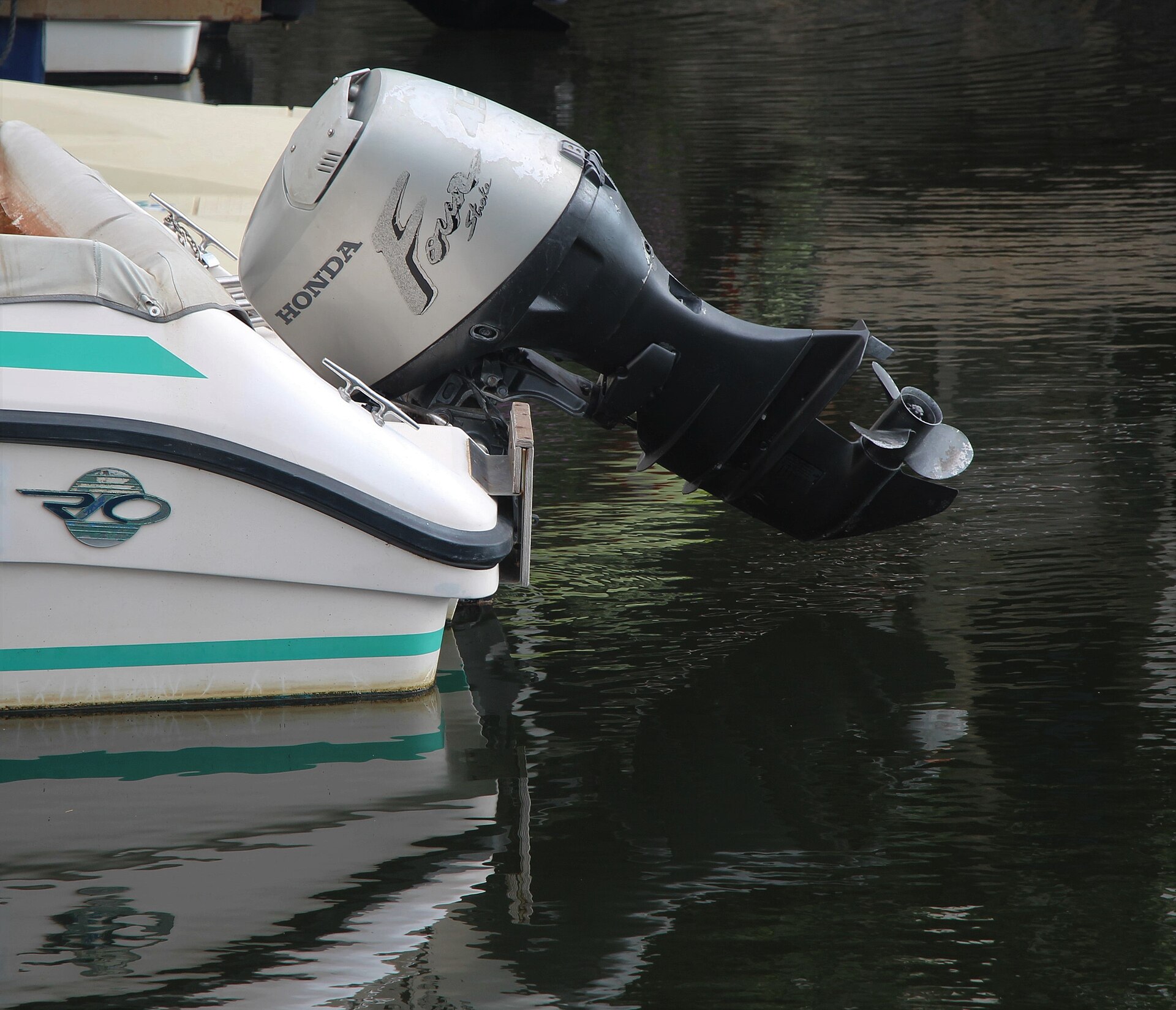
The costliest winter surprises usually come from the engine. On an outboard, flush with fresh water, check oil and filters, gearcase oil, prop shaft and anodes.
Do not leave fuel to the last day. Fuel that sits for months can cause trouble, especially in petrol engines. Fuel condition, tank type and any stabilizer depend on make and model. Safest path: follow the manual, and ask a dealer if you are unsure.
3. Battery, electrics and bilge
Batteries you plan to “charge in spring” often never see spring. Have charge-holding tested, clean oxidized terminals and plan a proper maintenance charge for long storage.
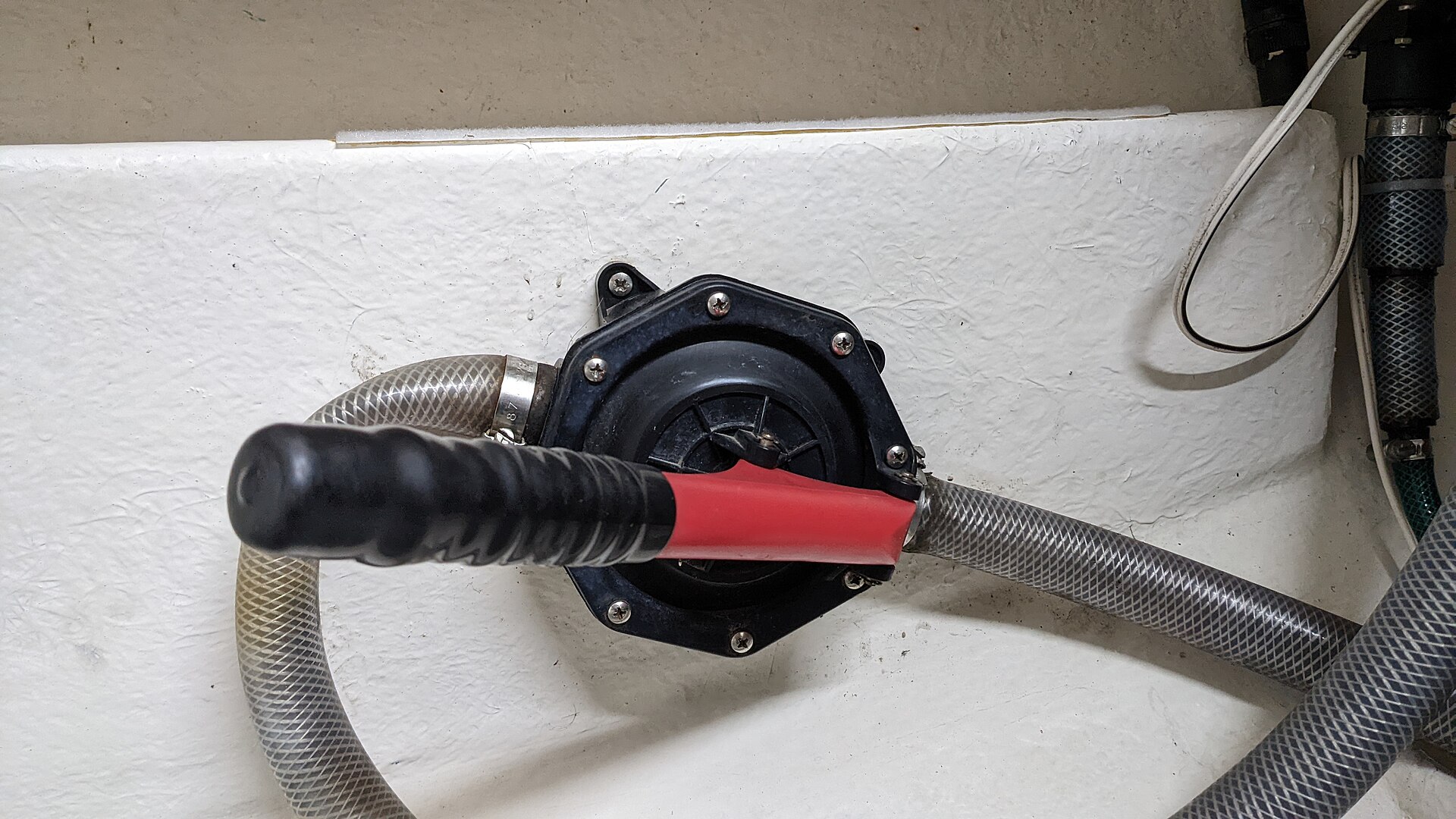
The bilge matters just as much. Test the pump and auto float switch. Fix cracked hoses, loose clamps or oily bilge water before winter sets in. If the boat stays afloat, bilge checks are non-negotiable.

4. Hull, antifouling and anodes
Ashore, a pressure wash reveals the true hull condition. Growth, worn paint or small cracks are easier to spot now.
Judge antifouling by how you use the boat and the water it sits in. Check shaft, prop and engine anodes too. Heavily wasted anodes have done their job — plan replacement instead of stretching another season.

5. Lines, fenders and winter cover
Winter wind and waves can be harder than summer. Check chafe points, cleats and fender positions. A line that looks fine can be weakened inside from constant rubbing.
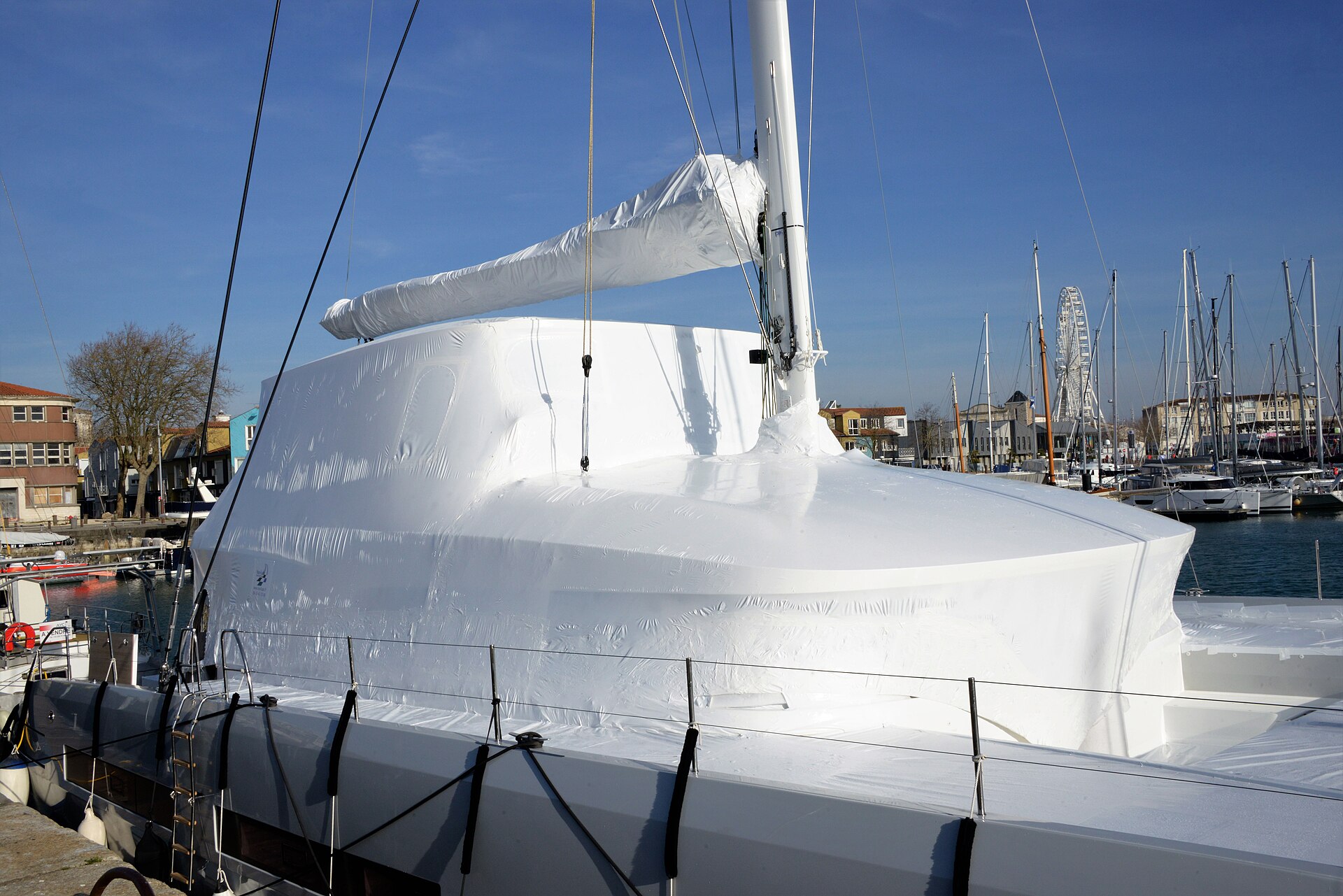
When choosing a cover, think moisture as well as rain. A cover that cannot breathe breeds mould and heavy cabin smell. Aim for a setup that sheds water, stays secure in wind and still allows ventilation.
6. Do not forget the boat all winter
Winterizing is not “set once and forget until spring.” A short monthly check changes a lot: lines secure, cover sound, bilge dry, battery status, any damp or mould inside?
Visiting regularly is far easier than facing a big spring bill. Winter care is not a cost — it is insurance for the new season.
Note: For engine, fuel, antifreeze and electrical work, follow your boat and engine manuals. If you are unsure on a technical point, leave it to a qualified yard.